Responsive Design: the 10 most important benefits
Responsive or adaptive design isn’t just a modern solution but a necessity, given today’s internet habits. More than 60% of users browse the web on mobile devices, so a properly adapted website can be the difference between success and failure. Here are the 10 most important benefits of responsive design you should be aware of:
1. Works across every device
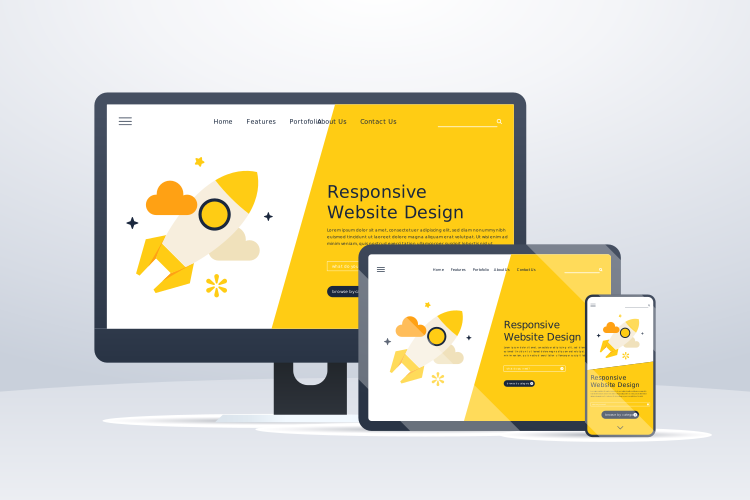
Responsive design ensures your website works perfectly on all devices – from desktop computers to mobile phones. A single website solution removes the need to build separate versions for different devices.
2. Improved user experience (UX)
An optimised design lets visitors browse easily and find the information they need. Simple, intuitive site navigation increases user satisfaction.
3. Better visibility in search engines
Search engines such as Google give priority to responsive websites. A properly optimised page can help you reach higher positions in the search results.
4. Saving time and resources
Instead of building a separate mobile version or app, responsive design lets you have one website that adapts to different screen sizes.
5. Growing traffic from mobile devices
Since the majority of internet users browse on mobile devices, responsive design helps ensure you don’t lose potential customers to a site that doesn’t work properly.
6. Smooth browsing by touch
Responsive design is optimised for touchscreen users, letting them reach all of the site’s features easily with a single tap.
7. Fast page loading
With responsive design, a page is optimised to run fast, regardless of the device or the internet connection speed.
8. Reduced bounce rate
An adapted website looks more professional to visitors, so they’re less likely to leave it after just a few seconds.
9. Easier content management
Maintaining and updating a single site design is more efficient and less time-consuming than looking after several different versions.
10. Ready for future needs
Responsive design ensures your website stays relevant even as mobile device use keeps growing. It’s a long-term investment that keeps pace with changing technology standards.
Why is responsive design so important?
Responsive design doesn’t just solve technical problems – it also improves the visitor’s overall impression. Users who open a site on their mobile phone and see a chaotic or hard-to-navigate layout often leave straight away. A well-adapted website, on the other hand, helps hold their attention and encourages them to stay longer.
If you’ve decided your business needs a responsive website, turn to the specialists. They’ll help create the right design that not only meets your needs but also ensures a quality user experience on every device.


